
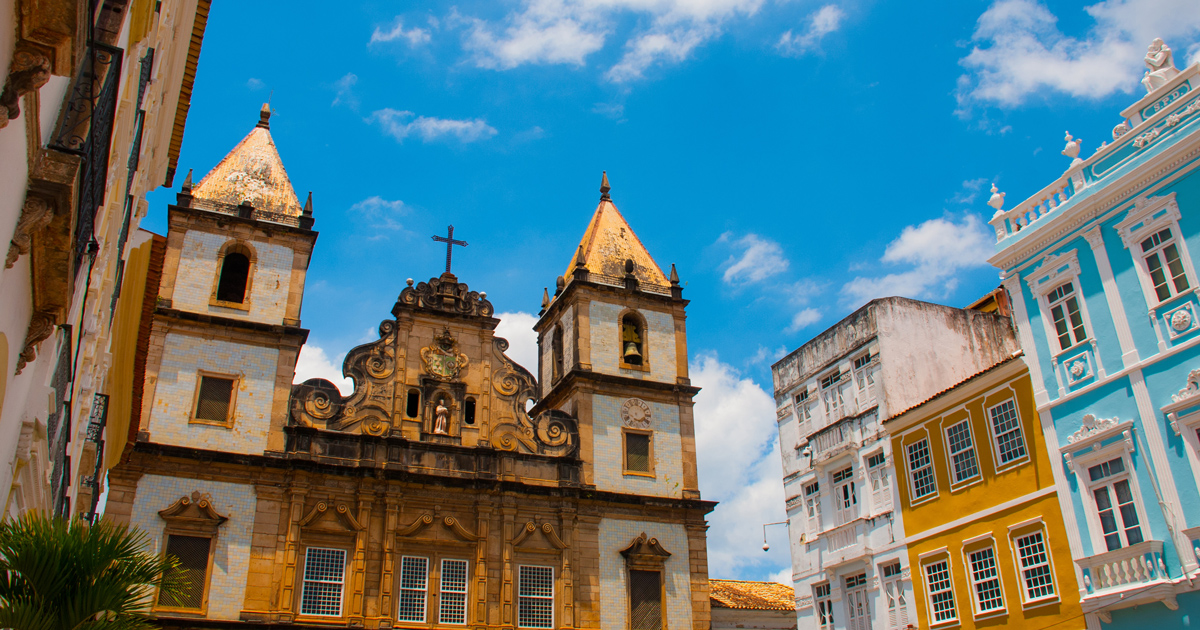
Salvador is one of Brazil’s most vibrant cities, a place where history, culture, and rhythm come alive on every street. Located in the state of Bahia, it’s the heart of Afro-Brazilian heritage, known for its music, cuisine, and stunning architecture.
I visited in November and was reminded that Salvador isn’t a city you pass through—it’s a city you experience. Between the heat, the colours, the music, and the beaches, it commands your attention. Here’s what you need to know before you go.
Walking Through Pelourinho

No visit to Salvador is complete without exploring Pelourinho, the historic center and a UNESCO World Heritage site. Here, pastel-colored colonial buildings line steep cobblestone streets where drums echo from alleyways and capoeira circles form in the public squares. It’s impossible not to feel the city’s energy.
Many museums offer free entry on Wednesdays, making it the perfect day to explore. Most exhibits are in Portuguese, but even if museums aren’t usually your thing, they provide rich insight into the city’s history and culture.
The Beaches

Salvador’s coastline is stunning, and the city’s beaches are social hubs as much as they are scenic escapes. The sand is soft, the water warm, and there’s almost always someone walking by selling fresh coconut water.
If you’re staying in the city, Porto da Barra is the easiest option. It’s the main city beach and usually the most crowded, especially with locals on weekends.
If you want something more relaxed, check out:
- Itapuã Beach- scenic and iconic.
- Praia do Forte- about an hour away, with clear water and a vacation-town feel.
- Guarajuba– calm, less crowded, with good local dining options.
If you have time, try to leave the city for the beach for at least one day! The Bahia coastline is worth it.
The Food

Salvador’s cuisine is unforgettable, deeply tied to Afro-Brazilian tradition. It is bold, spicy, and heavily features dendê (palm oil).
Must-try dishes include:
- Moqueca – a rich seafood stew with coconut milk and dendê oil.
- Acarajé – deep-fried black-eyed pea fritters filled with shrimp and spice, sold on the streets by women in traditional white dresses.
- Feijoada – Brazil’s iconic black bean and pork stew.
- Açaí – more of a frozen treat than a fruit bowl, but Brazil has some of the best-quality açaí you’ll ever taste.
For dinner, Rio Vermelho and Pelourinho offer very different but equally compelling experiences. Rio Vermelho pulses with nightlife and local energy, while Pelourinho charms with its colourful colonial buildings, outdoor tables, and music drifting through the streets.
Some of my best meals weren’t planned. Ask locals where they eat. Notable mention for Cafe e Cana and Restaurante Casa de Tereza.
The Weather and Busy Seasons
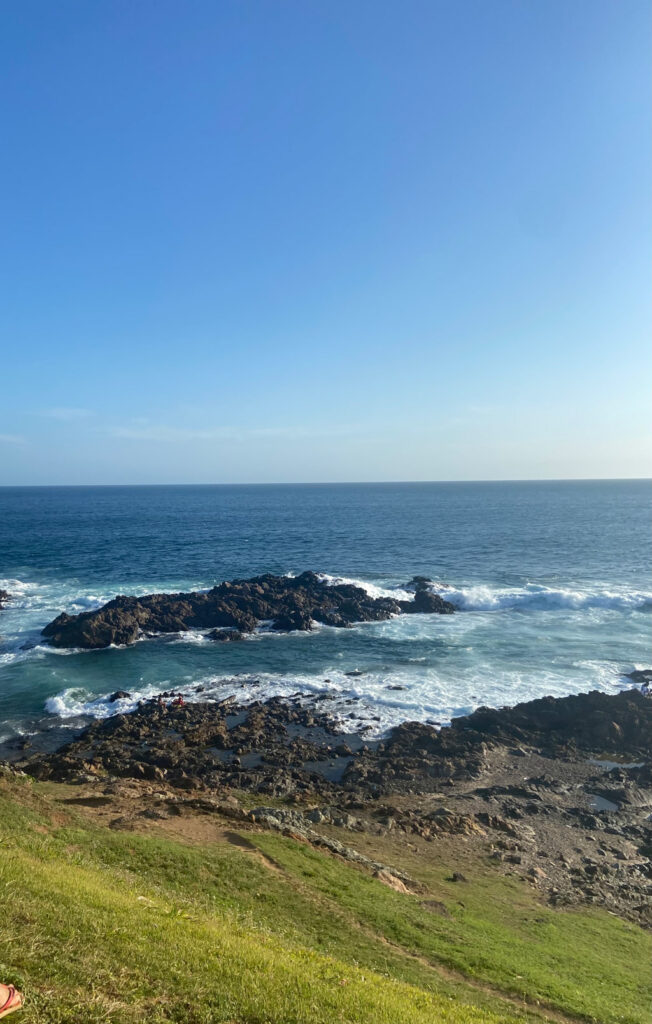
Because I visited in November, it was hot, humid, and sunny nearly every day. If that’s up your alley, lightweight clothing, sunscreen, and plenty of water are essentials for that time of year. Plan your sightseeing in the early morning or late afternoon to avoid the highest temperatures.
If you visit during Carnival (typically February or early March), the city is significantly busier. Traffic can be heavy near the historic centre and waterfront, so allow extra travel time. November felt lively but manageable, enough energy to feel the city’s pulse without the full chaos of Carnival.
As of January 2026, Canadian citizens now require an e-Visa to enter Brazil. It’s a simple online process, but make sure to apply at least a month before your trip!
Language and Safety
Portuguese is the official language, not Spanish. Even a few basic phrases such as “obrigada,” “bom dia,” and “por favor” go a long way. English is limited outside hotels and tourist areas, so downloading Portuguese offline in Google Translate is a lifesaver.
Salvador, like any major city, has petty theft. Keep your phone tucked away, avoid flashy jewelry, and be aware of your surroundings in crowded areas. I never felt unsafe, but awareness and confidence are essential.
If you’re considering a trip to Brazil, Rio is undoubtedly spectacular, but don’t overlook Salvador. The city grabs you the moment you arrive. Its streets pulse with music, history is visible in every building, and colour seems to leap from every wall.
To experience Salvador fully, embrace the heat, explore its beaches, and let the food and culture guide your days. It is a city that lingers in your memory long after you have left.
Happy travels,
Monique