
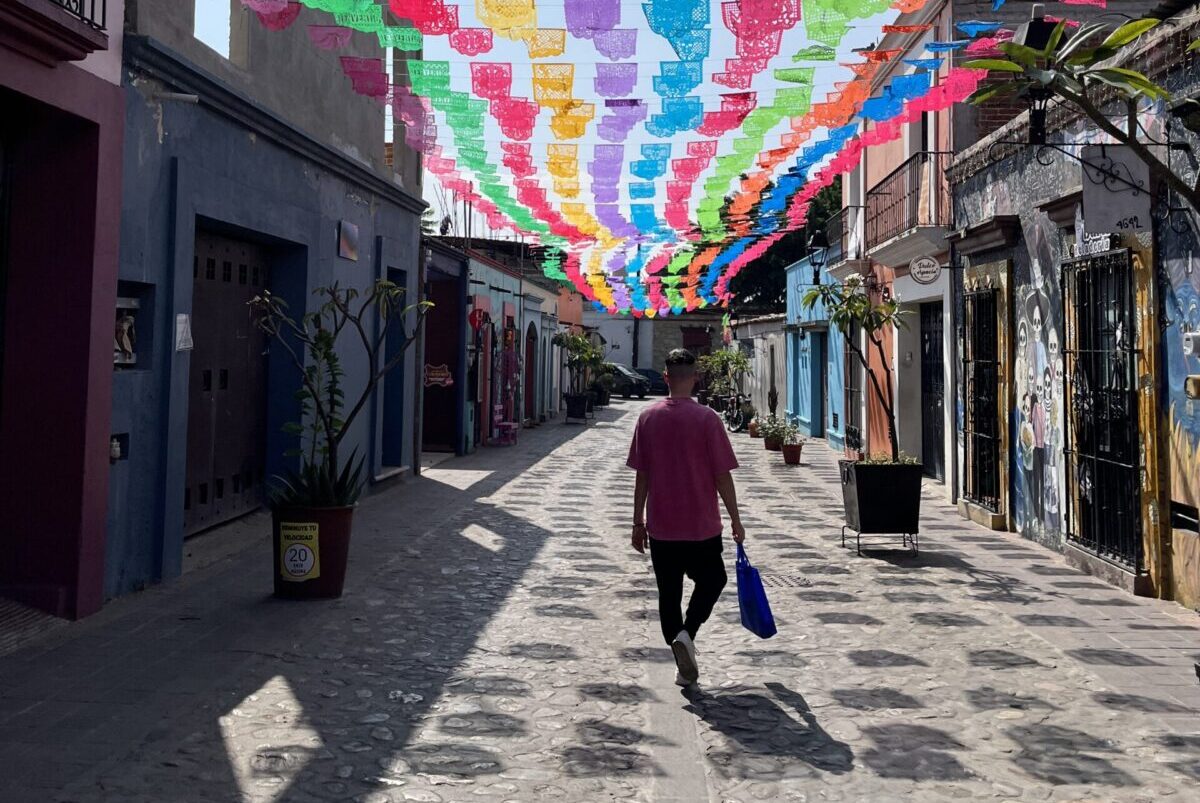
My husband and I took a two-week bus trip to Mexico, visiting Mexico City, Puebla, Oaxaca, and Puerto Escondido. Having been to Mexico City twice before, we only spent 24 hours there, and a couple of days in Puerto Escondido, so the majority of my time was spent exploring Puebla and Oaxaca. If you’re interested in Mexico City, check out our blogger Linnea’s post Unveiling Mexico City’s Most Instagram-Worthy Gems.
Puebla
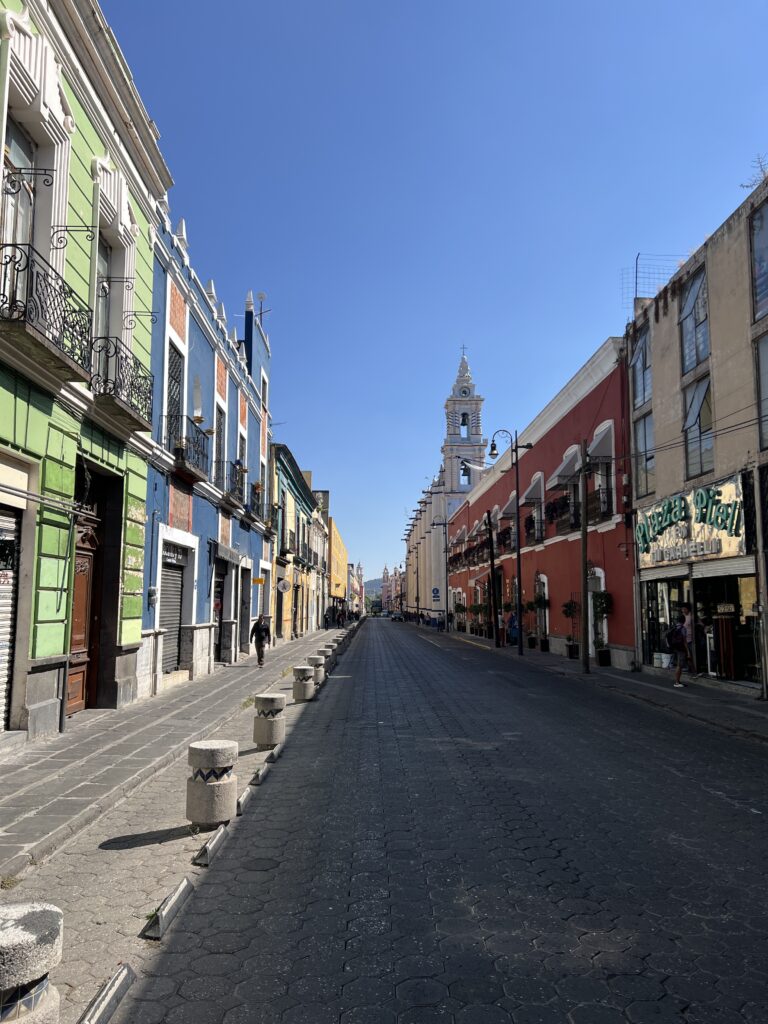
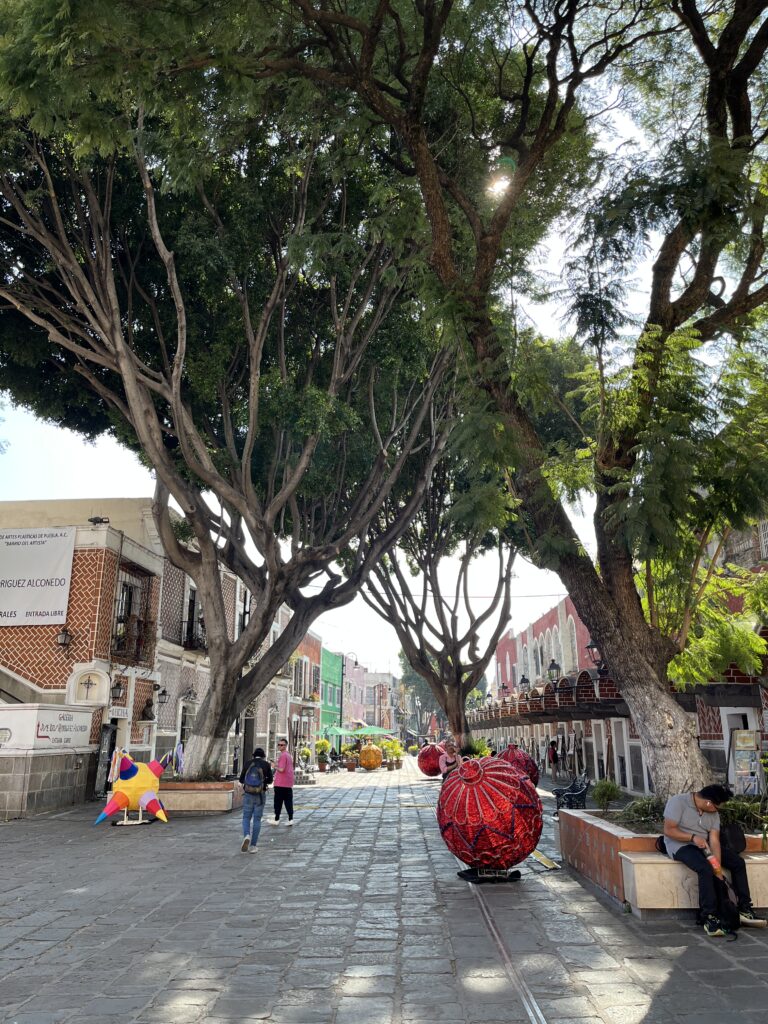
About 2.5 hours south of Mexico City, Puebla is Mexico’s fifth-largest city. Its streets are colourful, with preserved colonial architecture and striking monuments. It’s home to many artist studios where you can peek at the work of the many painters, sculptors, and potters. Here are a few highlights from our visit:

Biblioteca Palafoxiana
Founded in 1646 and recognized by UNESCO as the first public library in the Americas, Biblioteca Palafoxiana holds over 45,000 books and manuscripts from the 15th to the 20th century. In 2005, it was added to UNESCO’s Memory of the World Register. It felt like stepping back in time. Some books are protected by glass, not just from visitors’ touch but from the elements; they look like they’d disintegrate if handled.
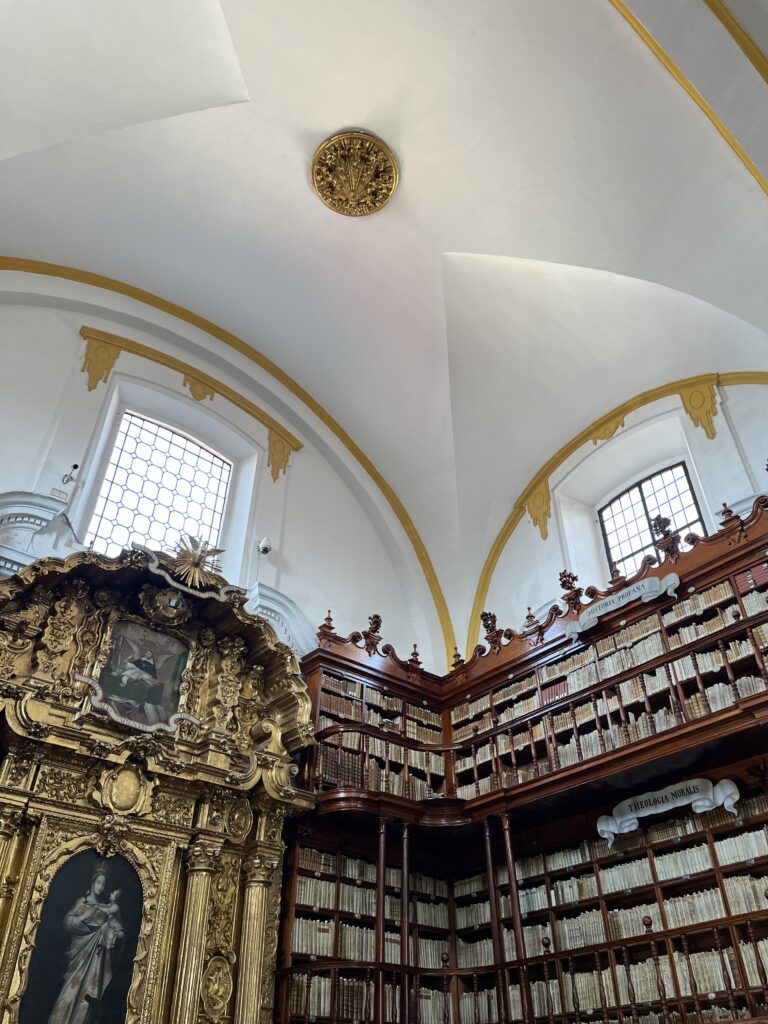
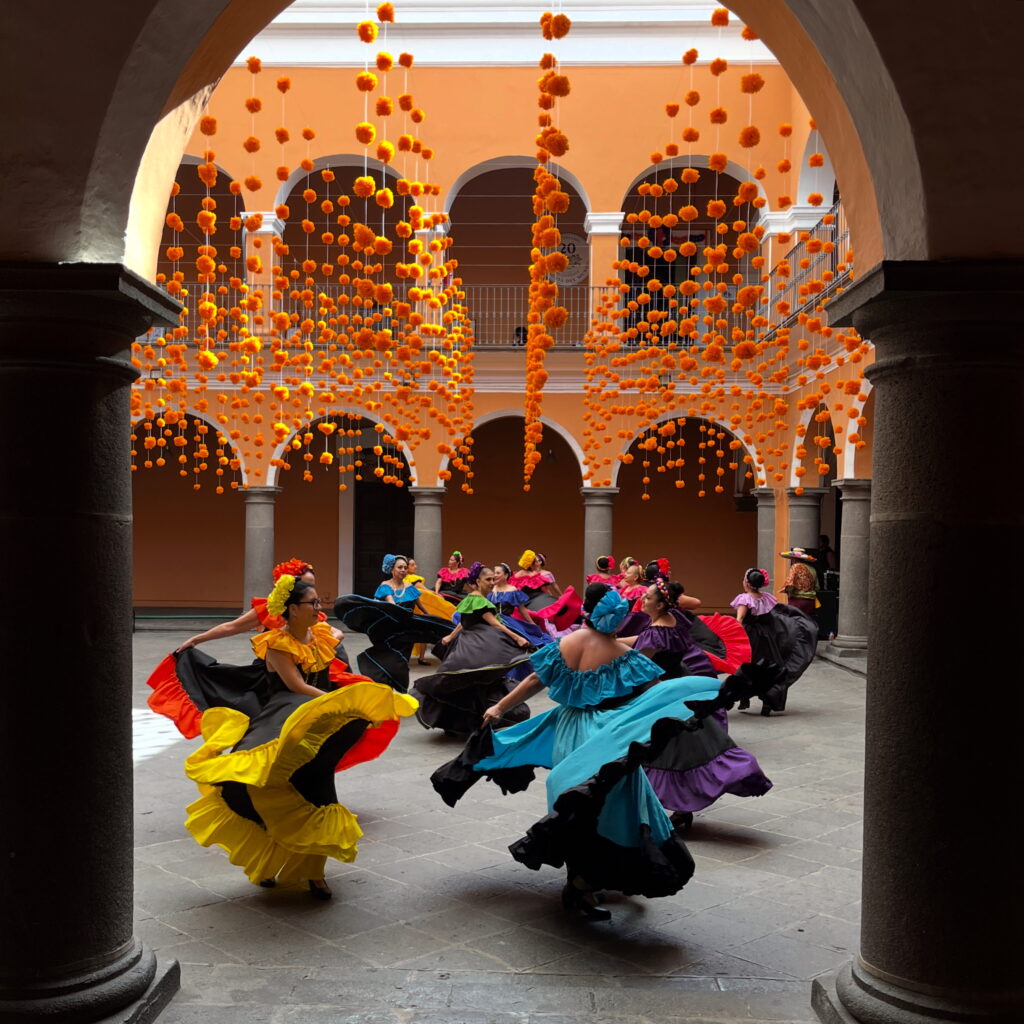
As a book lover, it was a thrilling, unique experience gazing at all those titles on the ornate shelves. And ice on the cake, while we were there, a local dance troupe was rehearsing in the courtyard, treating visitors to a beautiful, free display of traditional dance.
Calle de los dulces
Puebla is known as Mexico’s candy capital and one street embodies this reputation: la calle de los dulces (the Street of sweets). Located in the historic centre, dozens of dulcerías selling traditional sweets are packed into a few blocks. The street is vibrant and the stores well stocked, with shelves piled high, perfect for souvenirs and a taste of local culture. It became a hub for confectioners in the late 1800s, and some shops have been operating since then. On our way to sights or restaurants, we often made a detour to this street to stock up on candies. I highly recommended it if you have a sweet tooth!
Barrio de los Artistas
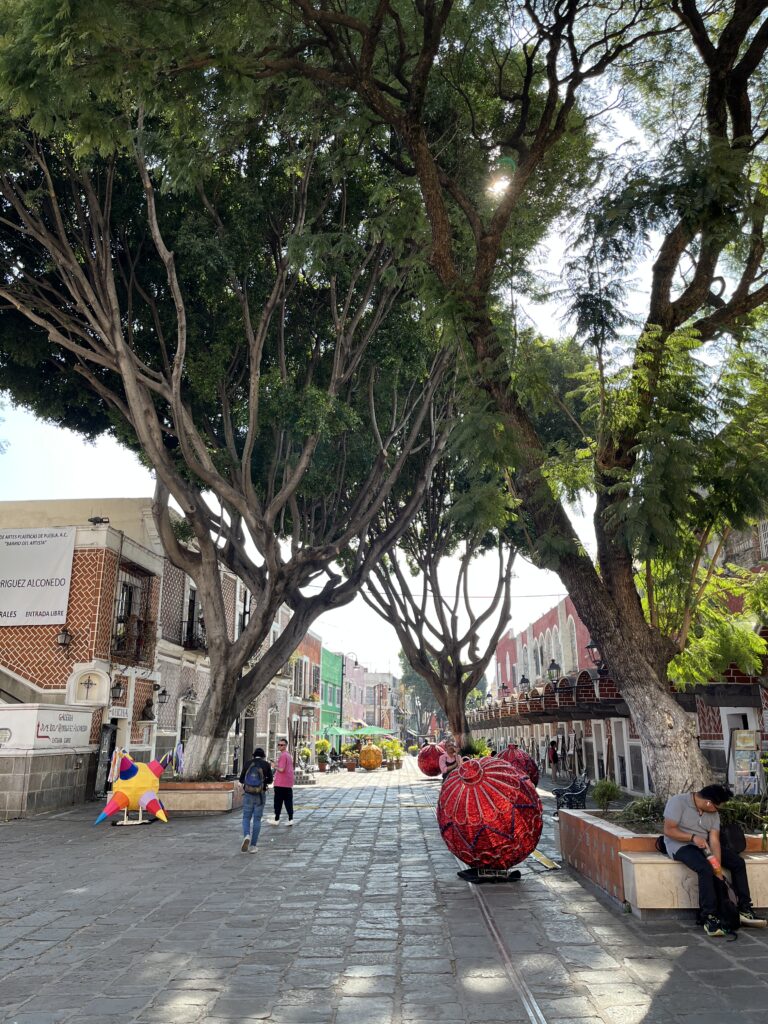
The Barrio de los Artistas (Artist Quarter) is a creative hub filled with studios and small galleries. Most members are painters, but you’ll also find sculptors and musicians. The neighbourhood hosts more than 45 workshops where visitors can watch artists practice their craft. It’s a lively area with cafés and a charming colonial square. We took a break from a long walk and sat on a bench one afternoon to relax and soak up the bohemian energy.
Callejón de los Sapos
Callejón de los Sapos (Toad Alley) is a picturesque street and square in the historic centre of the town, perfect for collectors and art lovers. Lined with historic buildings, it’s home to many shops selling antiques, furniture or books, to name a few. The street comes alive on evenings and weekends with open-air entertainment: musicians, artisan stalls, and nearby restaurants and cantinas. Its name dates to colonial times, when flooding left stagnant water that attracted toads, hence the name “Toad Alley.” The architecture alone is worth a visit, with facades in vivid blues, pinks, and yellows. As a charming nod to its past, there’s also a central fountain and a toad sculpture.
The food in Puebla
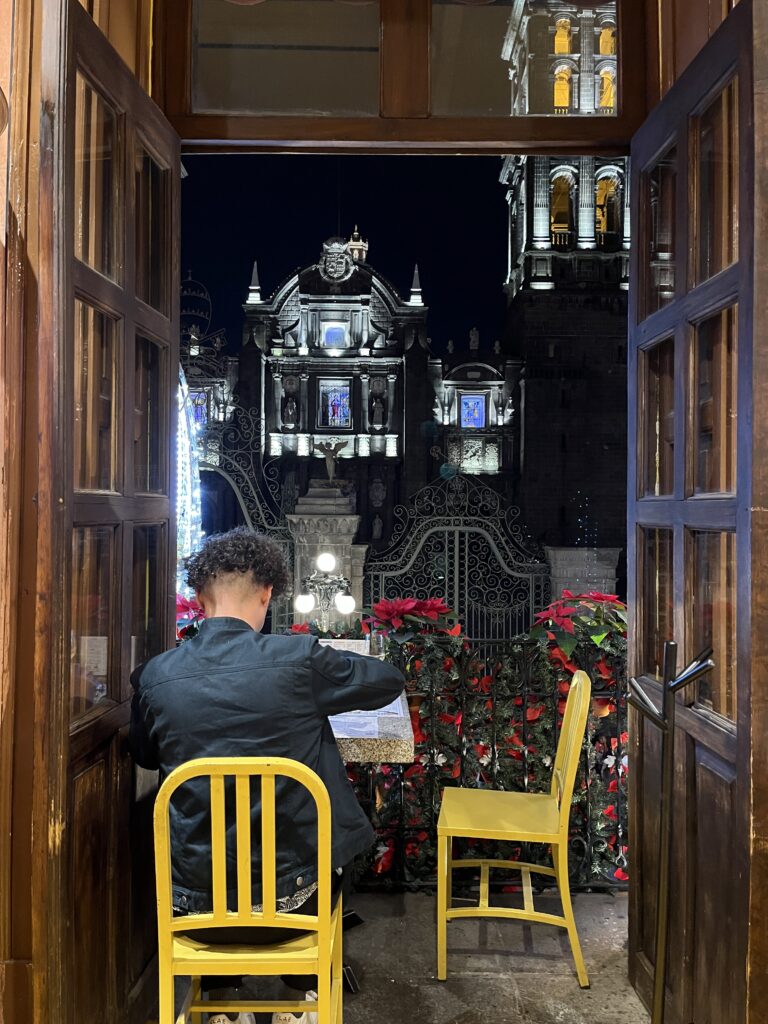
Puebla is a culinary capital, known for its signature dishes like Mole Poblano, a complex chili-and-chocolate sauce, and Chiles en Nogada, featuring poblano peppers topped with walnut sauce and pomegranate. We tried at least 10 different moles; my favourite was at Comal, a restaurant facing the Basílica Catedral de Puebla. If you dine there, try to get one of the tables facing the windows so you can enjoy the beautiful view.
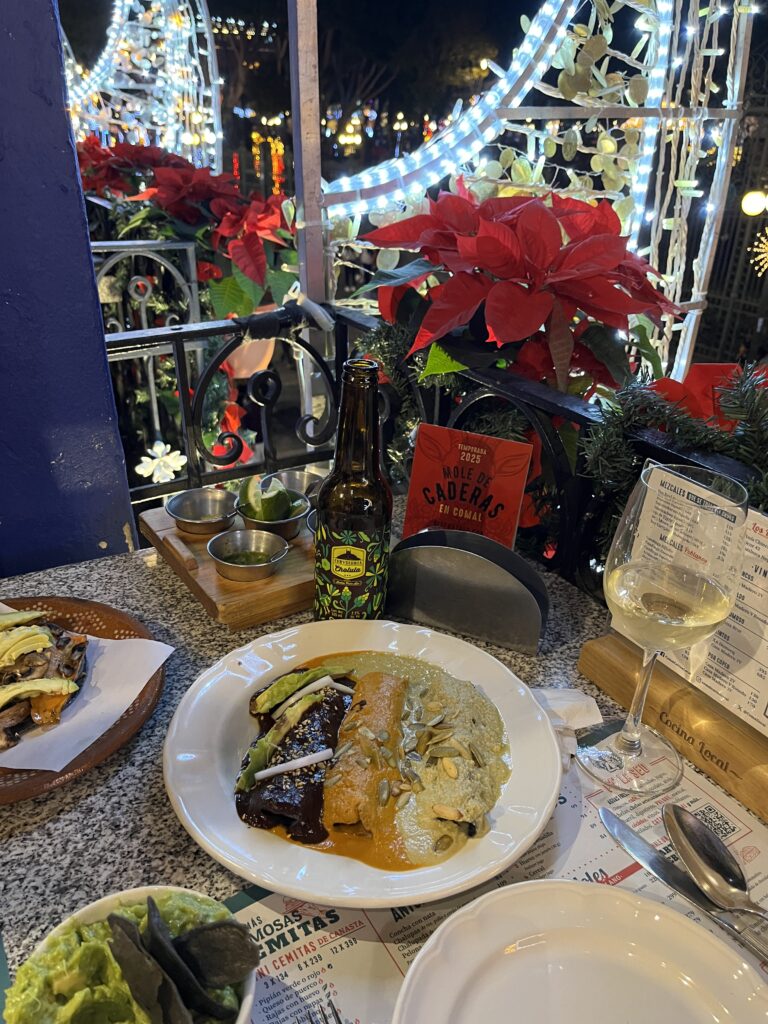
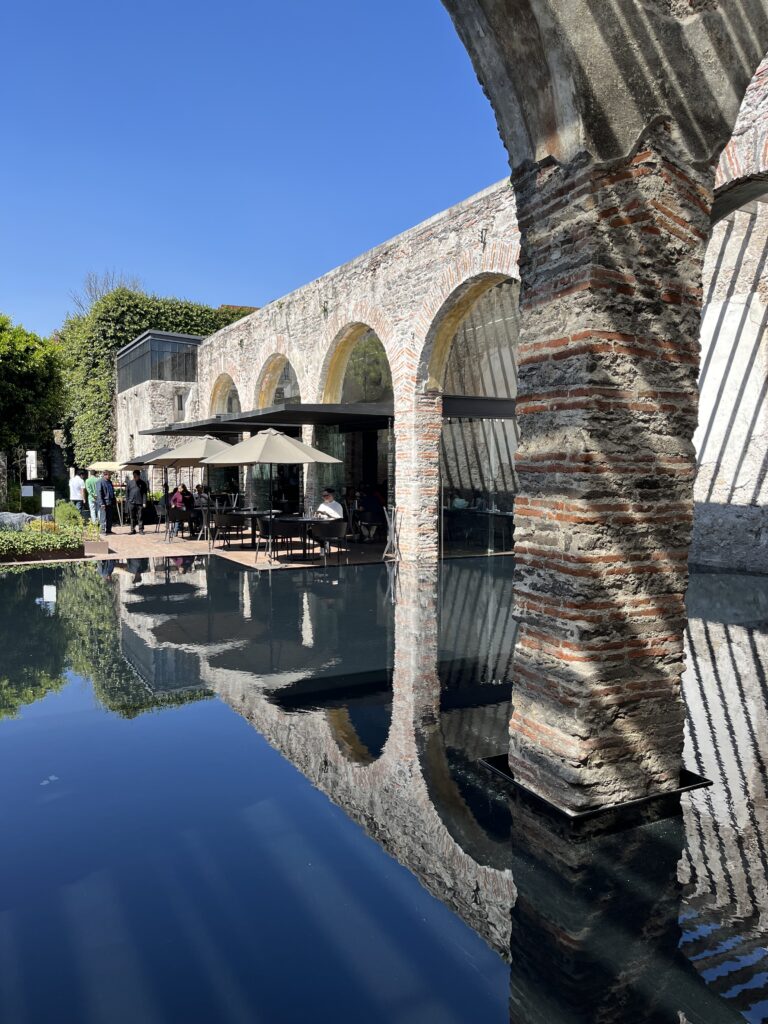
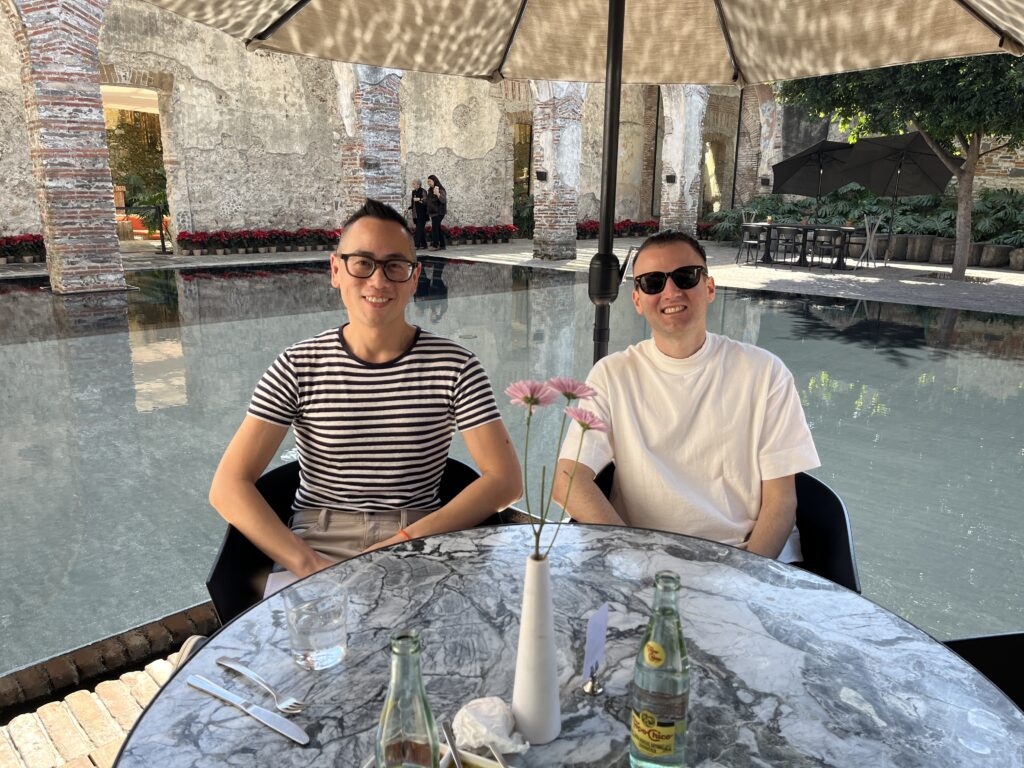
We had a delicious trio of mole while soaking in the view of the Basilica Cathedral of Puebla, illuminated at night. For a meal with an incredible setting, try Señorita Caruso, a 16th-century building converted into a restaurant. The food was delicious too.
Christmas tree lighting ceremony
Our first day in Puebla was December 1st. On our way to dinner, we found the main square packed with locals admiring the newly installed Christmas decorations. We stumbled into the town’s annual tree lighting ceremony, with local celebrities and singers performing before and after the countdown. It was a magical moment, watching families enjoy the season’s lights.
Oaxaca
Oaxaca de Juárez, or simply Oaxaca, is the capital of the eponymous state, rich in colonial-era architecture, major archaeological sites, and living Zapotec and Mixtec cultures.
Santo Domingo Church and its museum
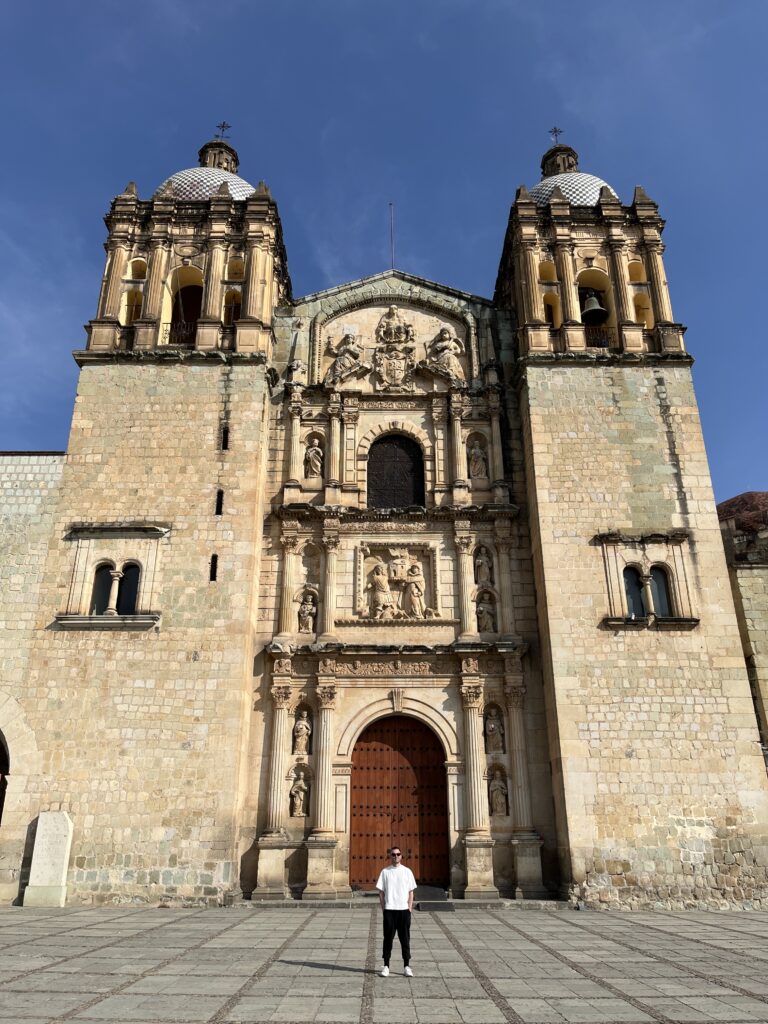
Santo Domingo stands at the heart of the city, and the square in front is a gathering place day and night. By day, there are lively celebrations and friends meeting; by night, there is a serene vibe as people sit quietly and take in the illuminated baroque façade. We ended up there most evenings after dinner, sitting on a low wall, admiring the church and soaking up the atmosphere.
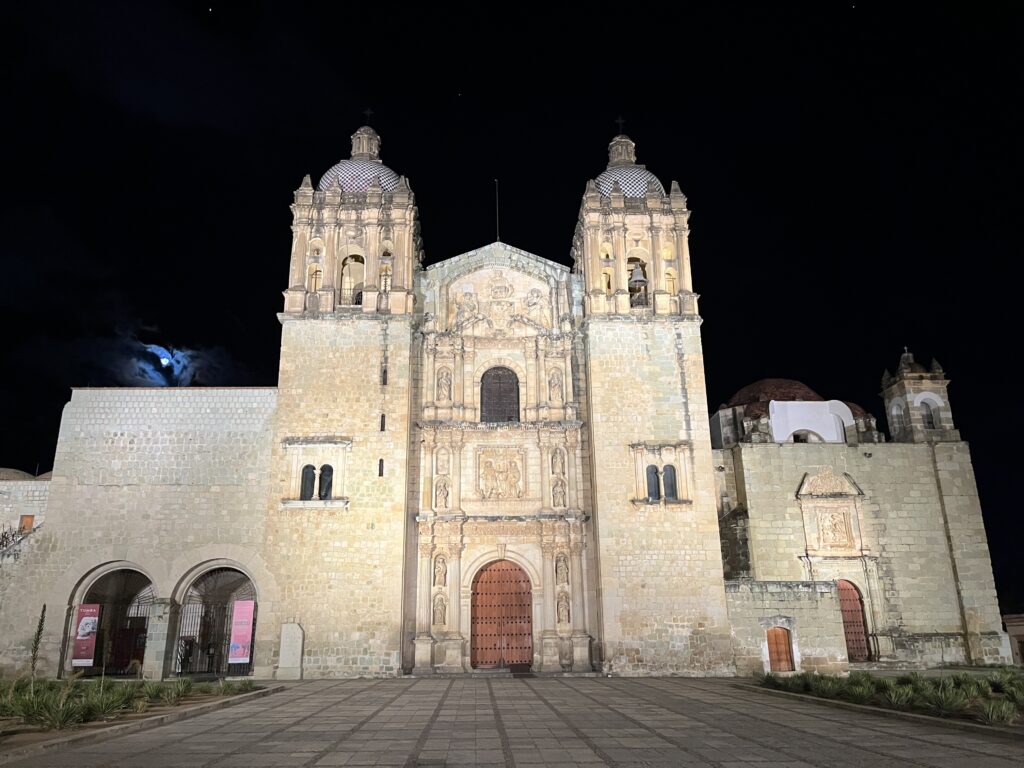
The Museo de las Culturas de Oaxaca, housed in the former Dominican monastery, spans 14 galleries tracing Oaxaca’s history through art, ethnography, and historical exhibits. The standout is the extraordinary trove of gold, silver, jade, and bone artifacts from Monte Albán unearthed in 1932. We loved learning about the region’s history in such a beautiful setting.
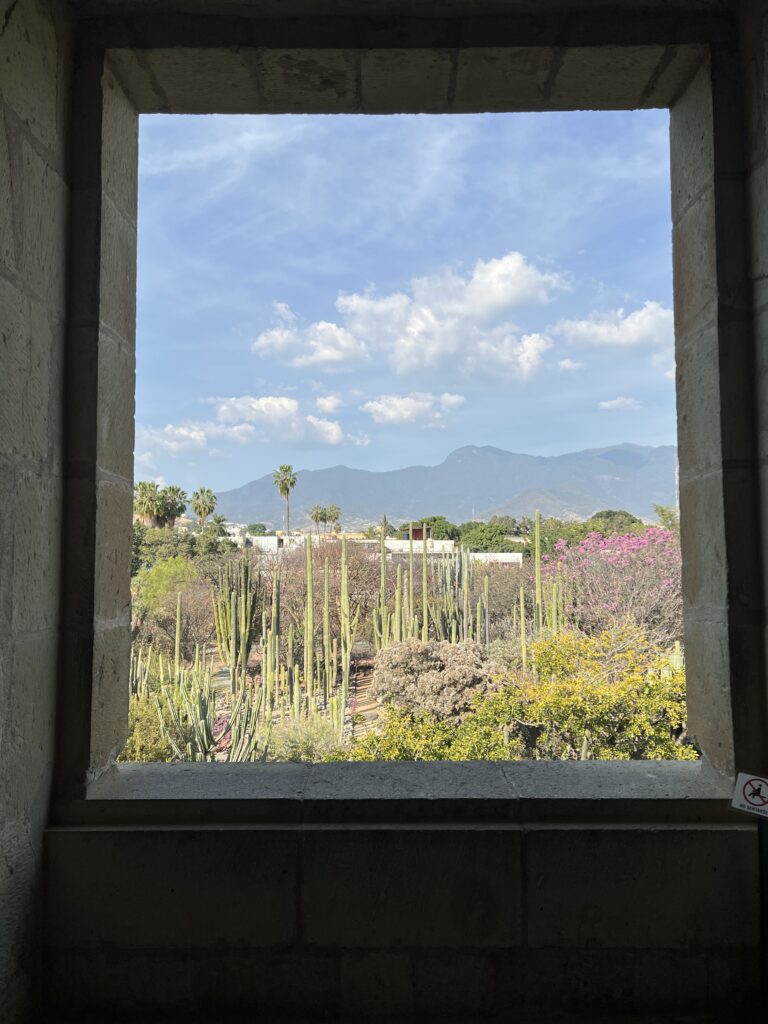
Behind the church, the Jardín Etnobotánico occupies the old monastic grounds, showcasing native plants and their deep connections to local cultures.
Monte Alban
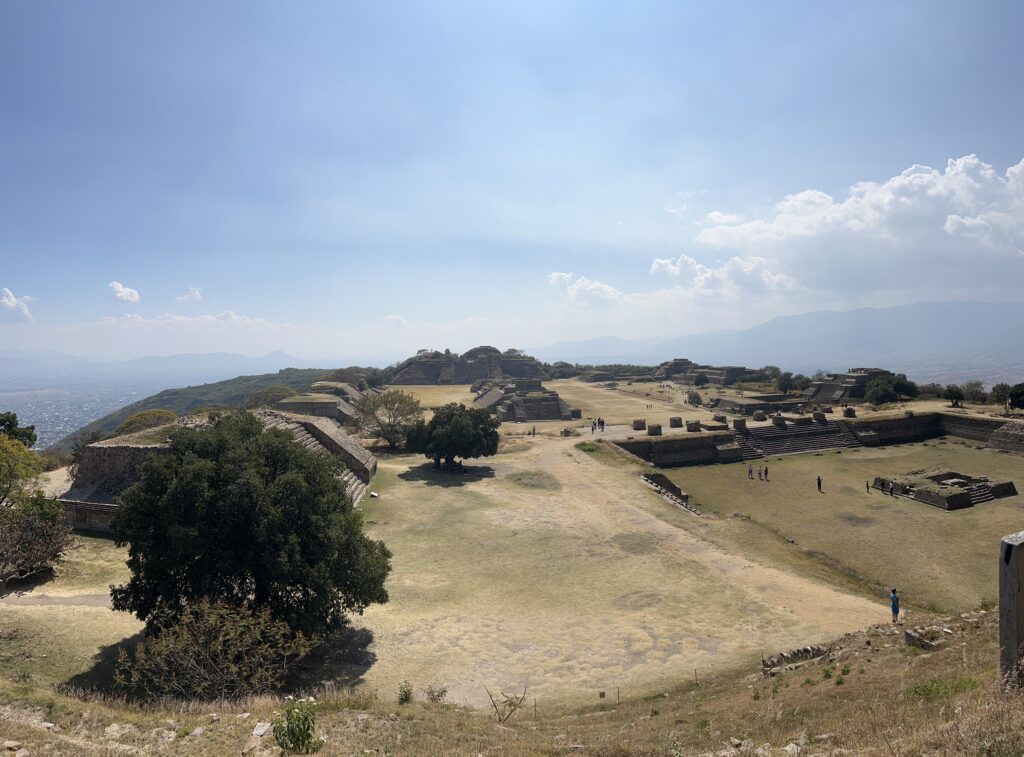
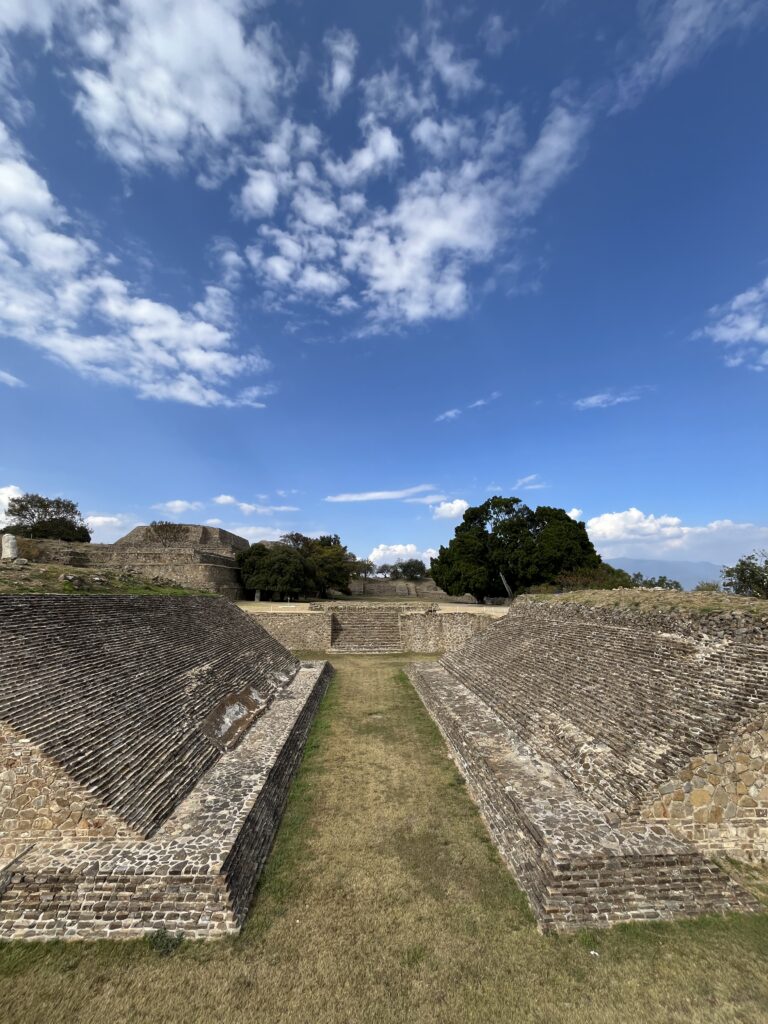
We also took a half-day trip to Monte Albán, the ancient Zapotec capital and UNESCO World Heritage site just outside Oaxaca de Juárez. Founded around 500 BCE and thriving until about 800 CE, it sits atop a mountain with panoramic views of the Oaxaca Valley. We wandered among grand plazas, pyramids, a ball court, tombs, and temples—a glimpse of a once-majestic metropolis.
Tip: It’s a 30-minute drive from the historic centre, so we took a taxi up and a minivan back. These vans are operated by locals and are perfectly safe; you’ll find them outside the site. Be vigilant, though; we were nearly scammed by a woman posing as ticket staff right in front of the van, so, make you buy your ticket directly from the driver!
Teotitlán del Valle
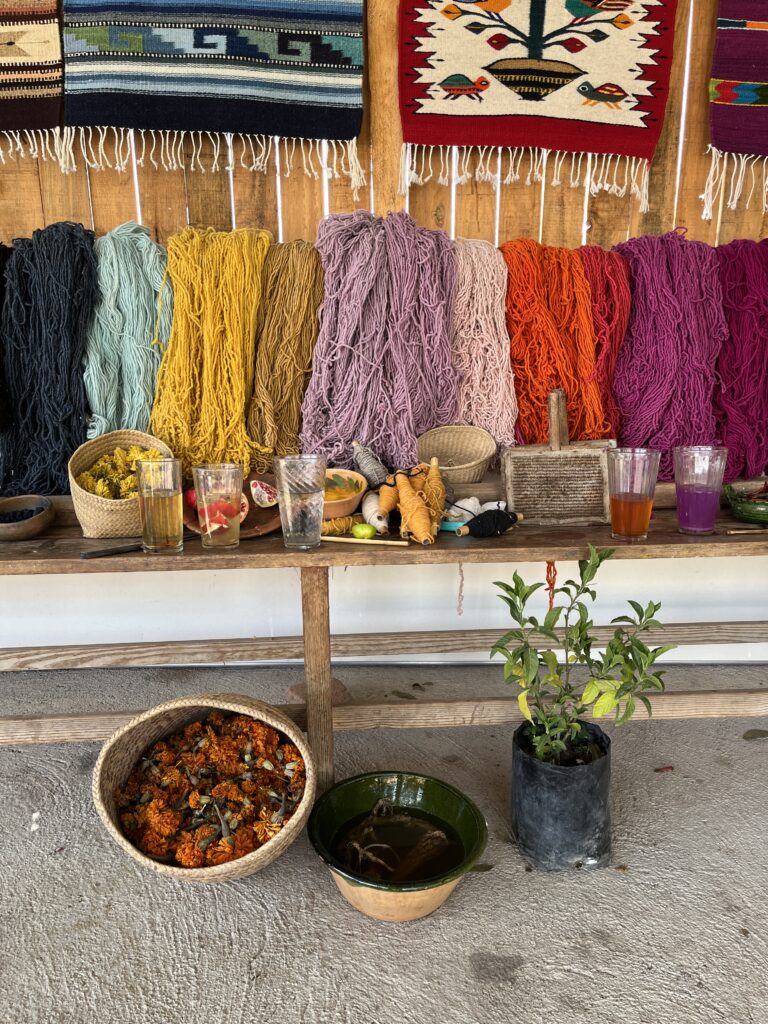
We spent a day in Teotitlán del Valle, about 45 minutes from downtown Oaxaca de Juarez. The town operates under the traditional system of usos y costumbres (uses and customs). Every resident completes community service such road maintenance, policing, or teaching on a rotating basis. Leadership roles are elected based on service rather than political parties. Property ownership is strictly regulated, and outsiders generally cannot own land.
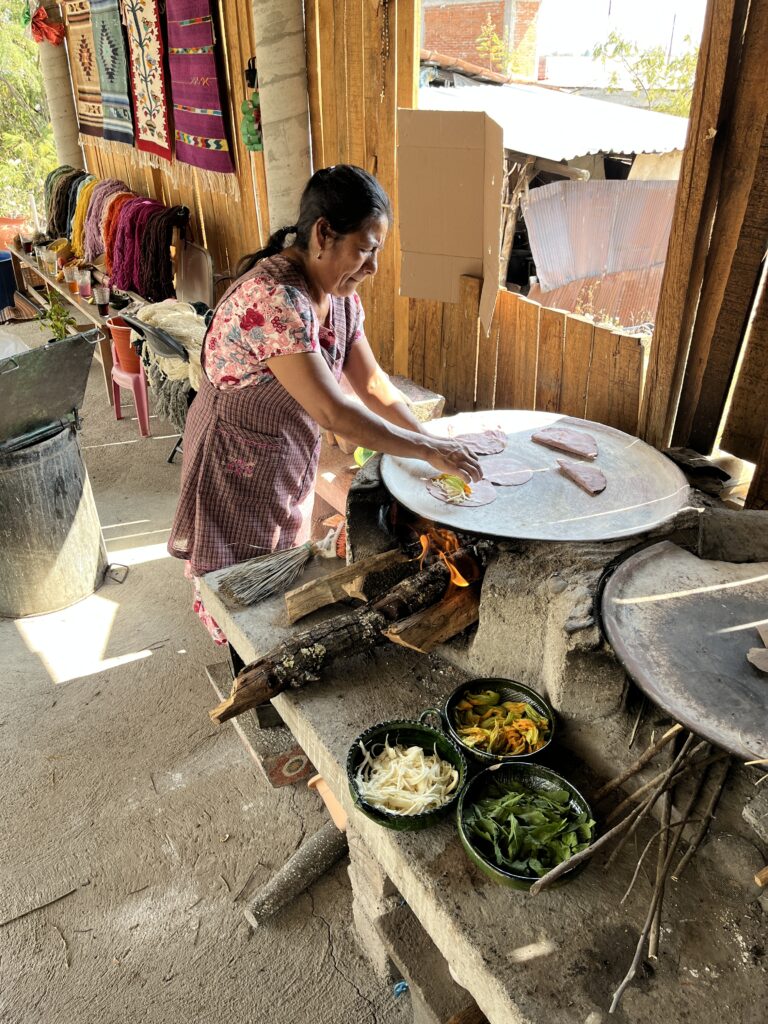
We spent the day with a mother-daughter duo who belong to an association of women entrepreneurs. They showed us traditional weaving and dyeing techniques, using only natural ingredients. They told us that rugs and clothing dyed with ingredients that can be re-used to make multiple colours tend to be cheaper. They ensure nothing goes to waste. They served us a delicious lunch freshly made of tortillas, garden vegetables, and local Oaxacan cheese. During the meal, they showed us photos of their relatives, past and present, and shared the history of their family with us. It was a rewarding experience, learning about customs and craft from this welcoming family.
Galleries and street art
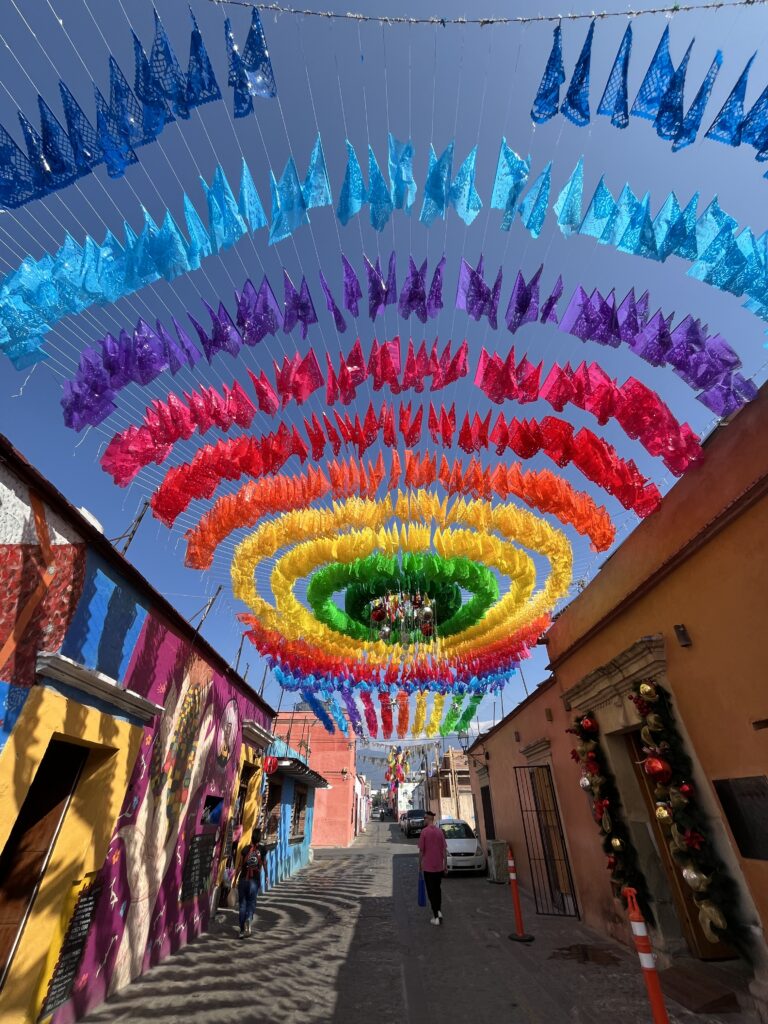
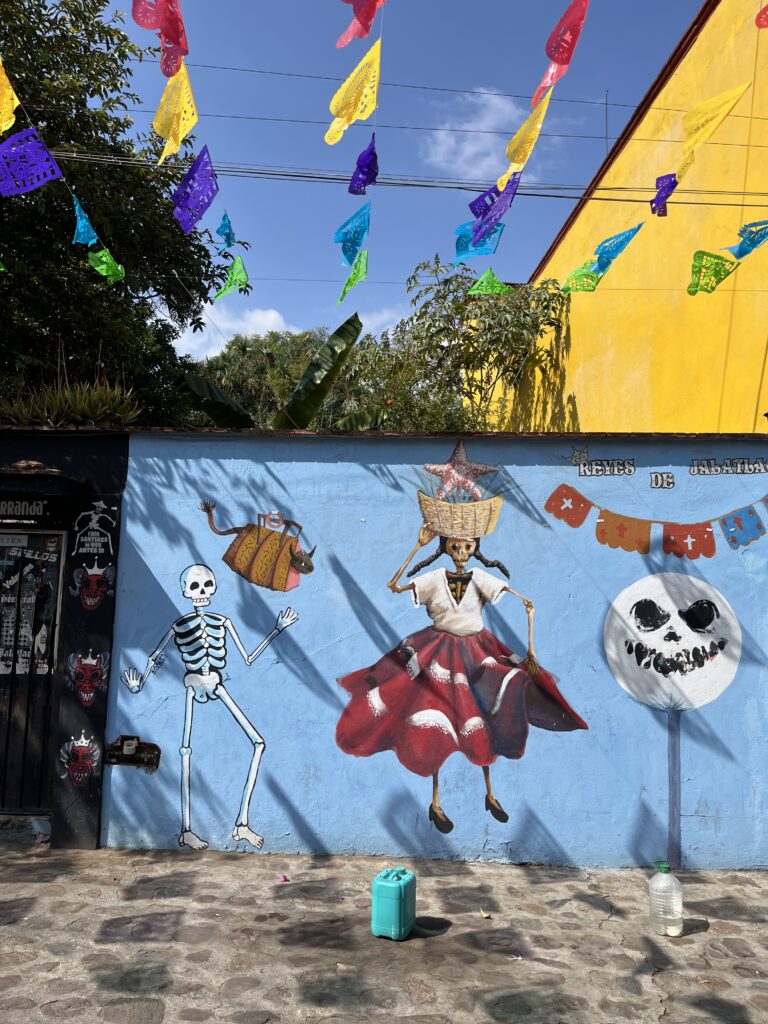
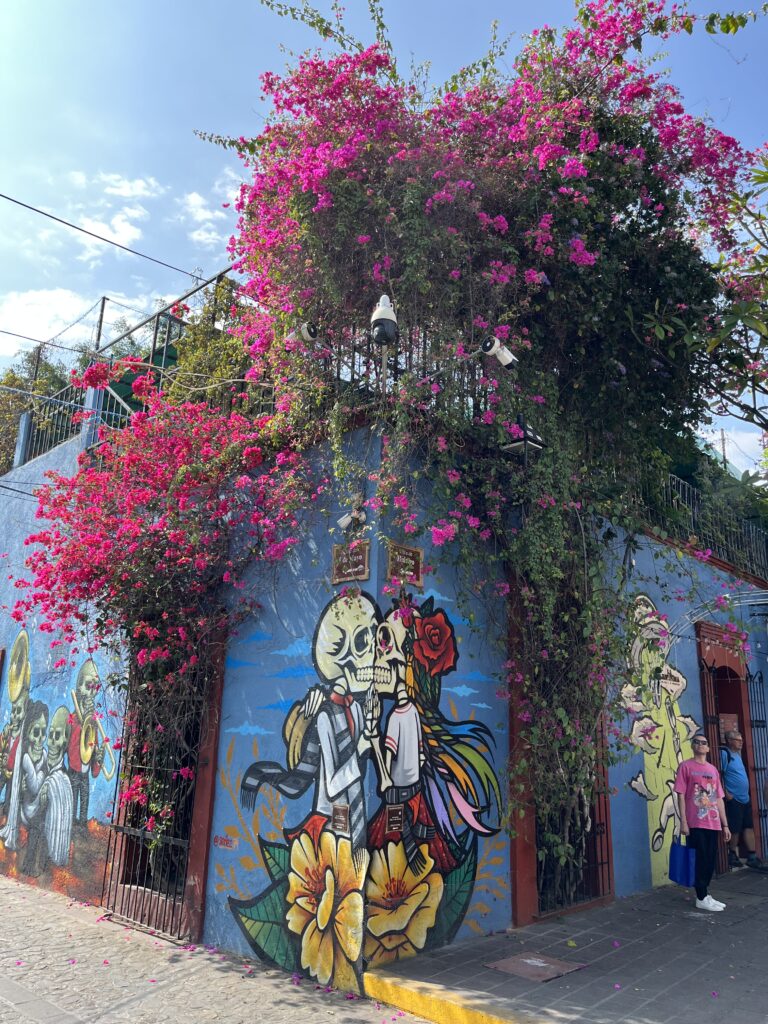
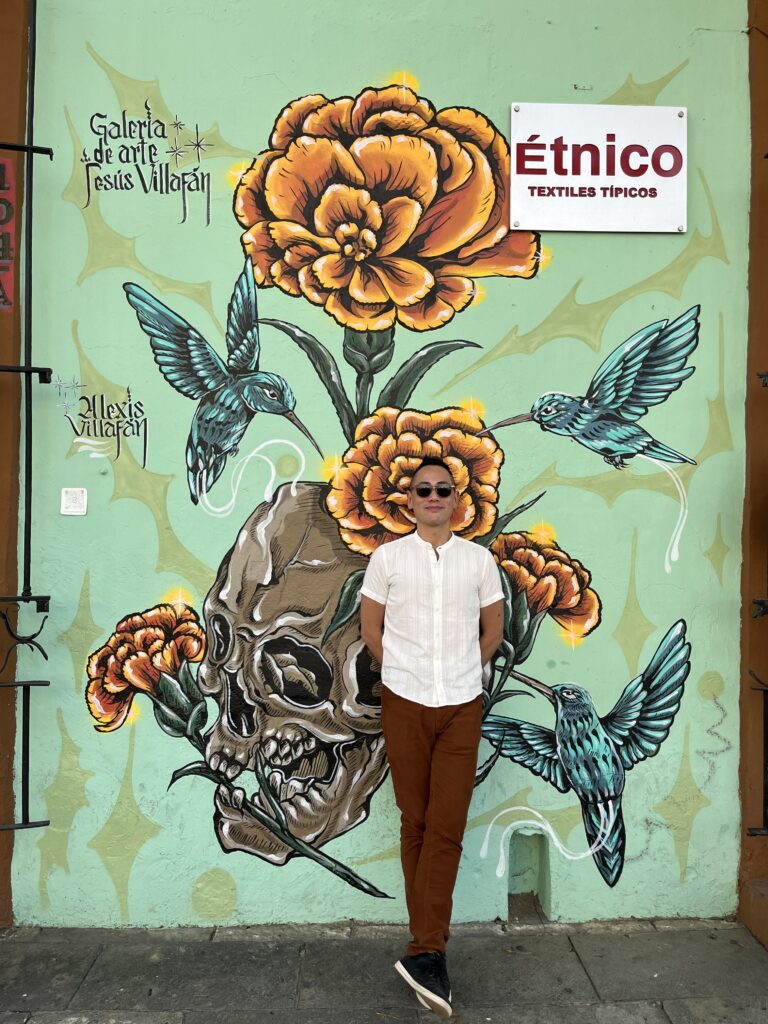
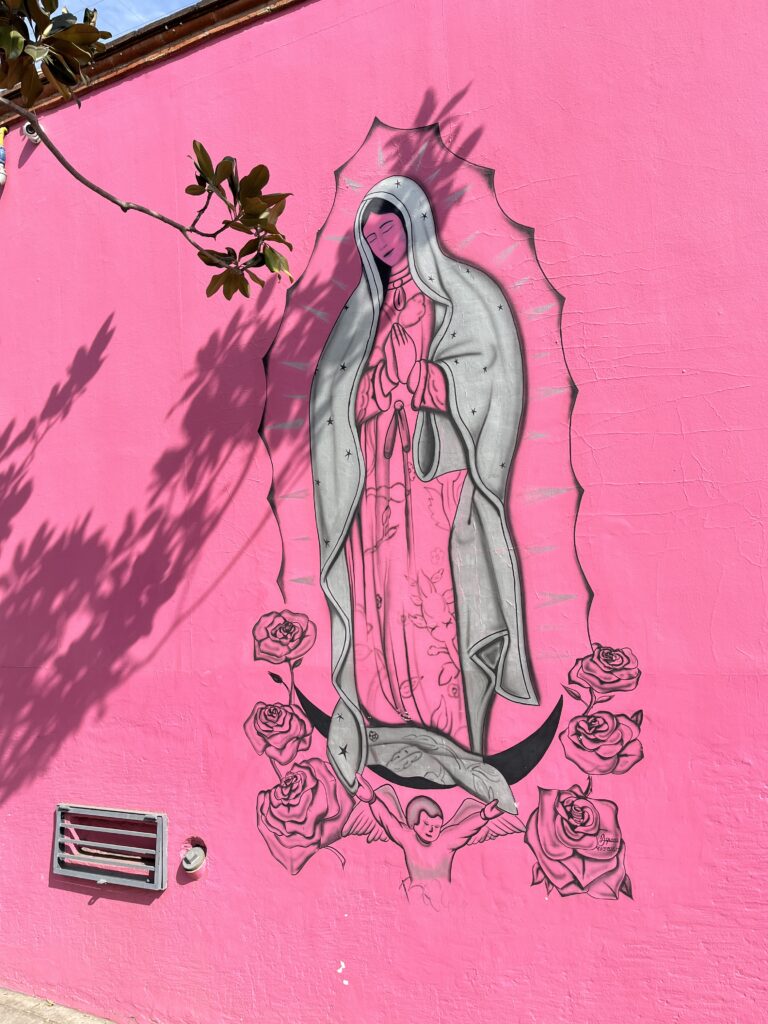
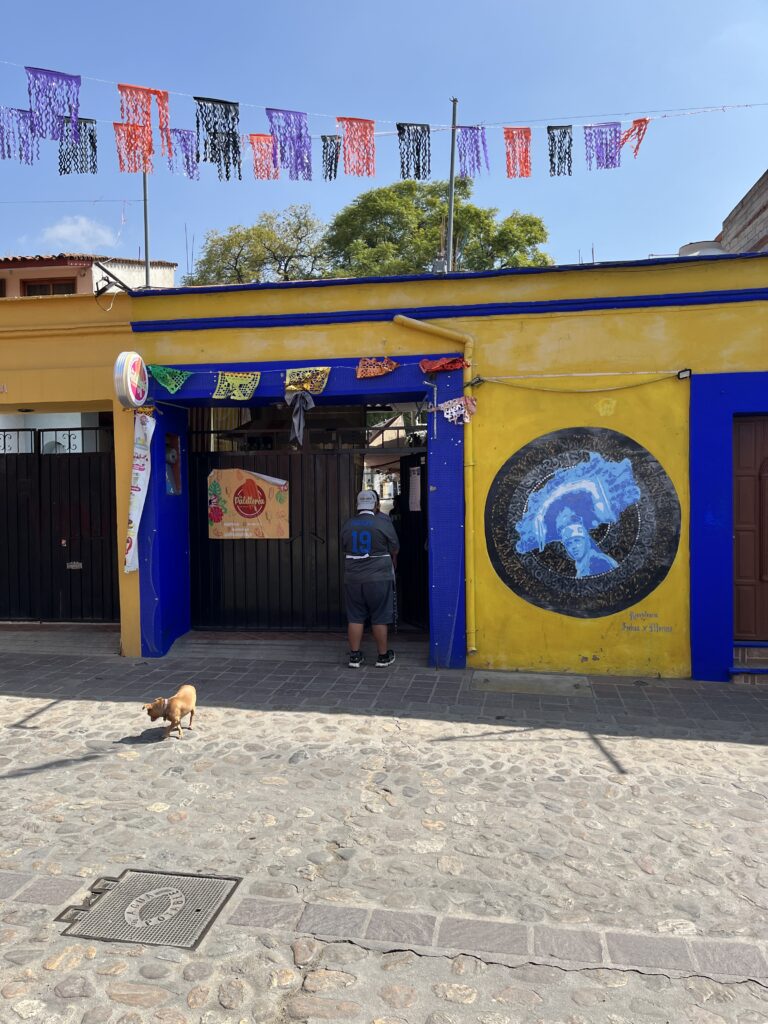
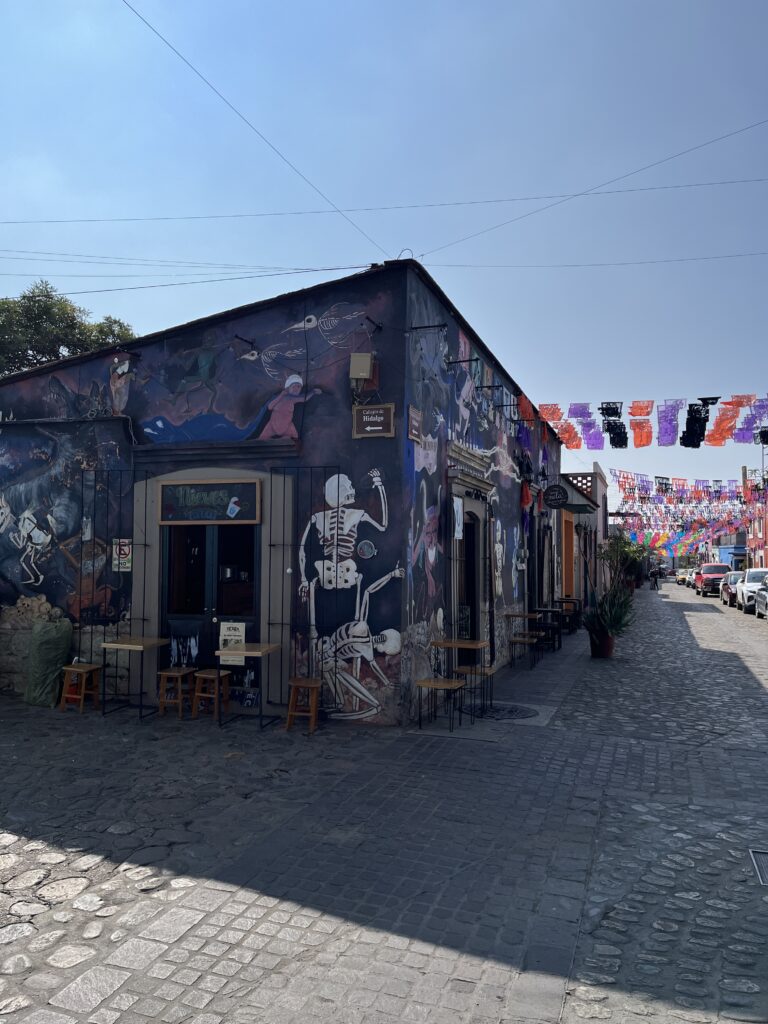
Oaxaca de Juárez has a high concentration of galleries and shops selling local craft. It’s fun to wander the centre and check out exhibitions. We spent hours admiring paintings, sculptures, and other handcrafted items, even knowing we wouldn’t be able to buy much because we had limited luggage space. Many markets around town feature artisans, who were friendly and generous in explaining their processes and sourcing, without being pushy. Some neighbourhoods also have an impressive concentration of radiant murals, making the daytime walks around the colourful streets of the city even more enchanting.
Street celebrations: weddings and processions
While walking through the historic centre on a Saturday afternoon, we came across five wedding celebrations. Each had a procession: the wedding party following a live brass band and papier-mâché replicas of the newlyweds. At one point, two processions crossed paths, leading to a playful musical face-off between the bands and the giant figures. It was joyful and contagious to witness these wedding parties parading through the streets, nicely dressed for the occasion, celebrating this special day amongst friends and family.
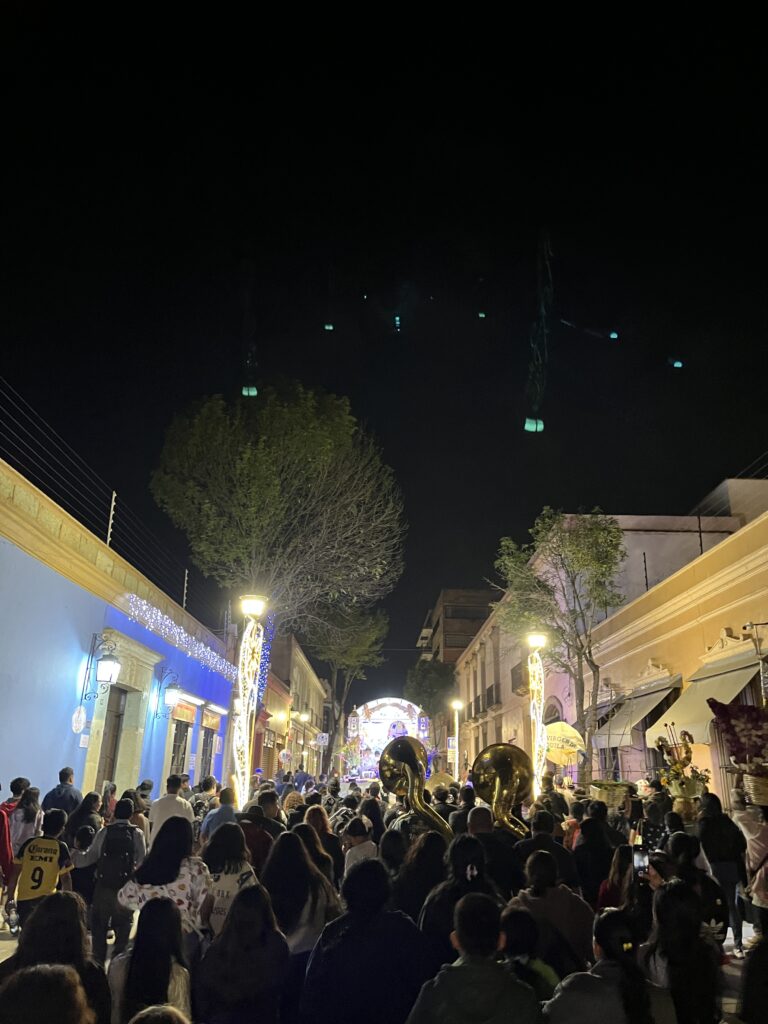
That night, we joined another procession, this time for the Virgin de Guadalupe, a cultural and religious emblem in Oaxaca. Families often dress children in indigenous attire for blessings, and parades fill the streets with music and food around December 12. We watched an impressive mix of fireworks and dance, with locals carrying baskets of fireworks on their heads, and giant papier-mâché figures of the Virgin and other patrons dancing through the streets. It was an astonishing display of fiery colours. Later, we followed a procession with hundreds of locals led by multiple brass bands. It was one of those truly special travel experience.
Food scene in Oaxaca: Our favourite spots
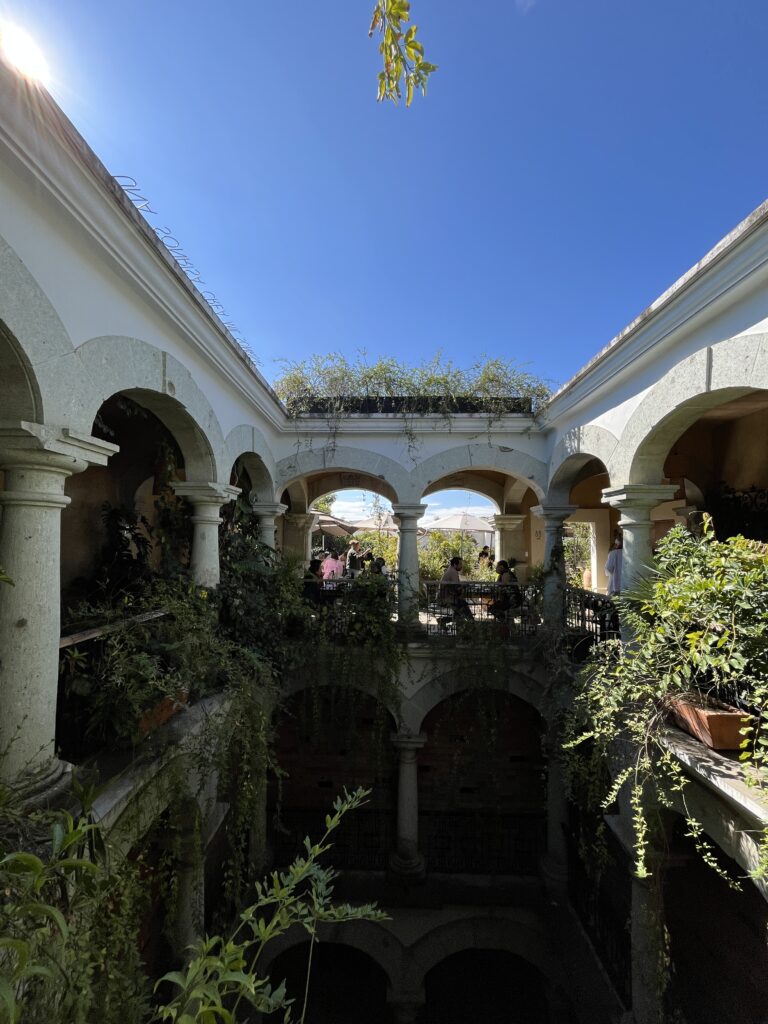
Oaxaca’s food scene is outstanding. We had a succession of incredible meals during our stay. We didn’t make it to every spot on our list, but these spots stood out:
- Levadura de Olla: Beautiful setting and delicious food.
- Las Quince Letras: Lovely rooftop; rustic dishes, all excellent. Very friendly staff.
- Zandunga: Good food; we especially loved the colourful, covered patio.
- La Cosecha Organic Market: A cool courtyard market with unpretentious, tasty options.
- Ama Terraza: Rooftop with incredible views. We went for coffee and a treat; one of our favourite settings.
- Boulenc: Bakery and restaurant side by side. Less traditional and more touristy, but we went multiple times for coffee and pastries; some of the best we’ve had.
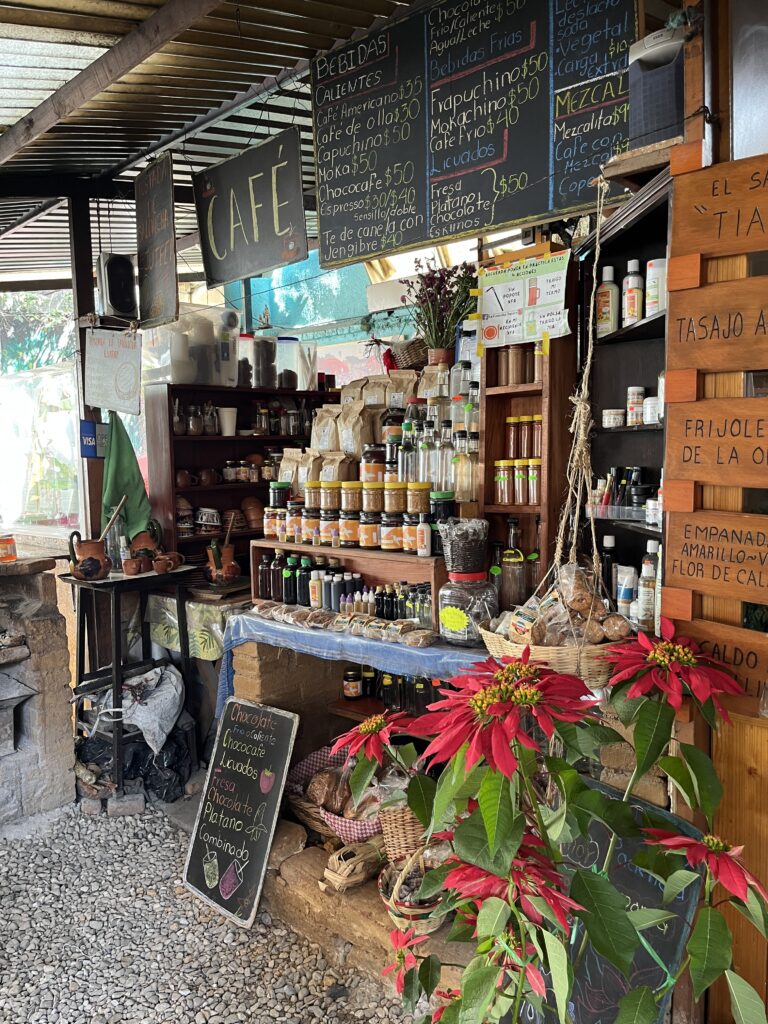
Also, ensure to try a nieves de agua (water snow) when in Oaxaca. It’s a traditional ice cream with iconic flavours such as leche quemada (burnt milk) or tuna (bright red prickly pear cactus fruit). You can find those in the city’s markets and plazas. They’re very refreshing and the consistency is unlike any ice cream or gelato I’ve tried.
Zapotec welcoming ceremony
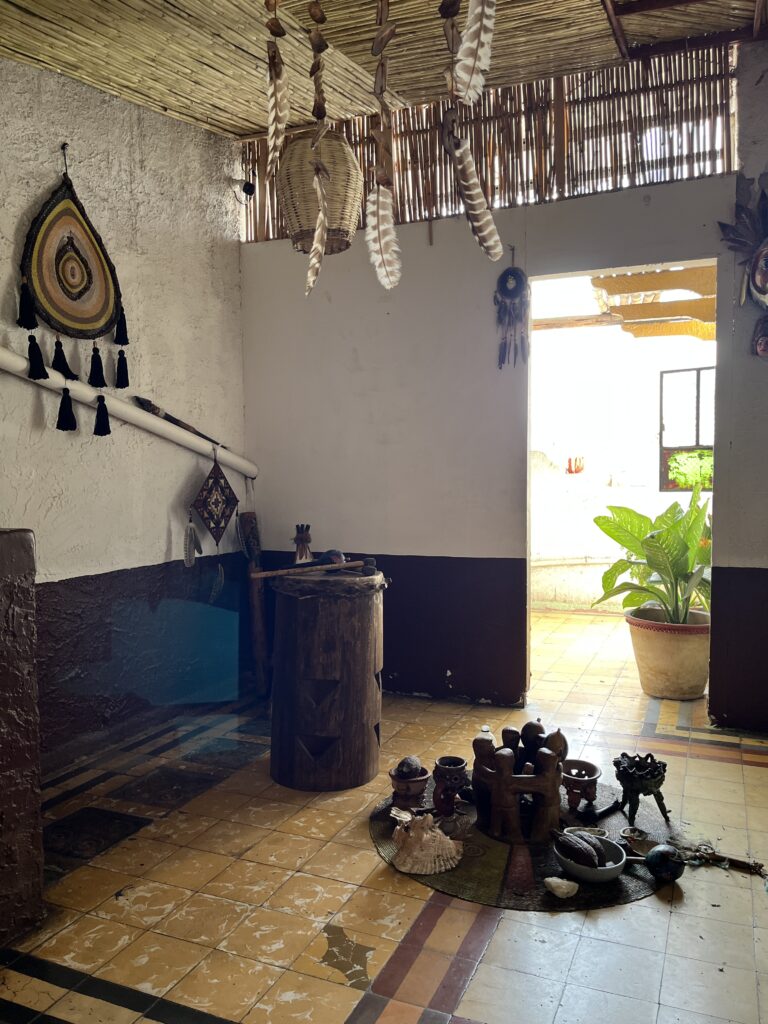
One of the most memorable moments was a Zapotec spirit-cleansing ceremony. We were welcomed on ancestral land and cleansed using the four elements and a chant with drums. We really appreciated how much care our hosts put into it and their commitment to welcoming us to their land. Afterward, we exchanged stories about where we live and our customs. I’ll remember it as a travel highlight. I’m not very spiritual, but I approached this experience with an open mind, wanting to learn. In the end, it felt transcendent. My mind was at peace afterward, free of intrusive thoughts. It gave me perspective on spirituality, and I’ll strive to reach that state of peace of mind again.
Next time you plan a trip to Mexico, consider adding Puebla and Oaxaca to your itinerary. We had a wonderful time and feel we only scratched the surface; the surrounding areas also offer great opportunities for adventurous excursions. We’ll save that for our next trip and report back.
Safe travels ahead,
Thomas